The Cuma Archaeological Park is one of the oldest and most fascinating sites in the Mediterranean: this is where the first Greek colony in the West was founded, and this is where tradition places the oracle of the Sibyl, as described by Virgil. From the Grand Hotel Le Château in Marina di Varcaturo, Cuma is just a few kilometers away along the Phlegraean coast: a visit that can be easily planned for a morning, allowing you to return to the hotel for lunch or an afternoon of relaxation.
In this guide, you’ll find what to see, how to prepare, and some practical tips to make the most of your visit.
Cuma, the First Greek Colony in the West
According to the Ministry of Culture, Cuma was founded in the second half of the 8th century B.C. by colonists from Euboea, who set out from Pithekoussai, present-day Ischia. From here, Greek culture spread throughout Campania and the rest of the peninsula.
The acropolis, perched on a tuff promontory overlooking the sea, was conquered and destroyed several times over the centuries, until its final destruction in 1207. Today, the park comprises two areas: the acropolis, with the Cave of the Sibyl and the temples, and the lower town, where the settlement was located.
The Cave of the Sibyl
This is the place everyone comes to see. The Cave is a long tunnel hand-carved into the tuff, approximately 131 meters long, with a distinctive trapezoidal cross-section. Along one side, a series of openings allows beams of light to enter, casting a regular pattern on the floor: a deeply evocative effect.
The tunnel was unearthed in 1932 by the archaeologist Amedeo Maiuri, who identified it as the cave where, in Book VI of the Aeneid, Aeneas meets the Sibyl before descending into the Underworld. Scholars also link it to the acropolis’s fortification system: whatever its original function may have been, walking through it to the very end remains a timeless experience.
A practical note: a maximum of 25 people are allowed inside the cave at a time, so on busier days there may be a short wait.
From the Cave to the Acropolis: the Via Sacra and the Temples
Upon exiting the Antro, you ascend toward the summit of the promontory. The path follows the Via Sacra, the ancient paved road dating from the Augustan era that connected the city’s two main sanctuaries.
- Temple of Apollo: It stands on the lower terrace of the acropolis.
- Temple of Jupiter: It is located on the upper terrace and is currently the subject of new archaeological research.
Along the ascent, you’ll also come across the remains of Greek and Samnite walls. From the top, the view sweeps out over the coast and the sea: it’s the best vantage point to understand why the Greeks chose this particular promontory.
The Lower City: The Forum and the Baths
At the foot of the acropolis lay the city proper. Excavations have unearthed buildings from the Samnite and Roman periods, concentrated mainly around the Forum, with its tuff portico: the Capitolium, a temple with porticoes; the so-called “Masseria del Gigante”; the Central Baths; and the Forum Baths.
Access to the lower city may differ from that of the acropolis, with dedicated entry points on certain occasions: before your visit, it’s best to check the Park’s website to see which areas are open.
Cuma Archaeological Park: Hours, Tickets, and Reservations
The site is part of the Phlegraean Fields Archaeological Park. Here is the key information from the official Ministry of Culture fact sheet:
- Closed on Tuesdays.
- Admission: €5 (full price), €2 (reduced price).
- Circuito Flegreo: €10 full price, €5 reduced price, valid for 3 consecutive days for Cuma, the Flavian Amphitheater in Pozzuoli, the Baths of Baia, and the Phlegraean Fields Archaeological Museum in the Castle of Baia.
- Reservations: Required on Sundays and Mondays via the Musei Italiani portal; admission is subject to capacity limits.
- Visiting time: maximum 120 minutes on-site.
Hours vary by season: always check the updated schedule on the Park’s official website before you go.
Mark your calendar: On Wednesday, November 4, 2026, in celebration of National Unity and Armed Forces Day, admission to the Cuma Archaeological Park is free, with reservations required. Full details are available on the event page.
Tips for Your Visit
- Arrive early: you’ll have more time to explore the Antro and climb up to the acropolis at a leisurely pace.
- Wear comfortable shoes: the paths leading to the acropolis are uphill and partly unpaved.
- Bring water and a hat on sunny days.
- Combine your stops: with the CircuitoFlegreo, you can spend a morning in Cuma and visit Baia and Pozzuoli in the following days. For a complete itinerary, read our guide to the Phlegraean Fields in one day.
After the visit: return to the Château
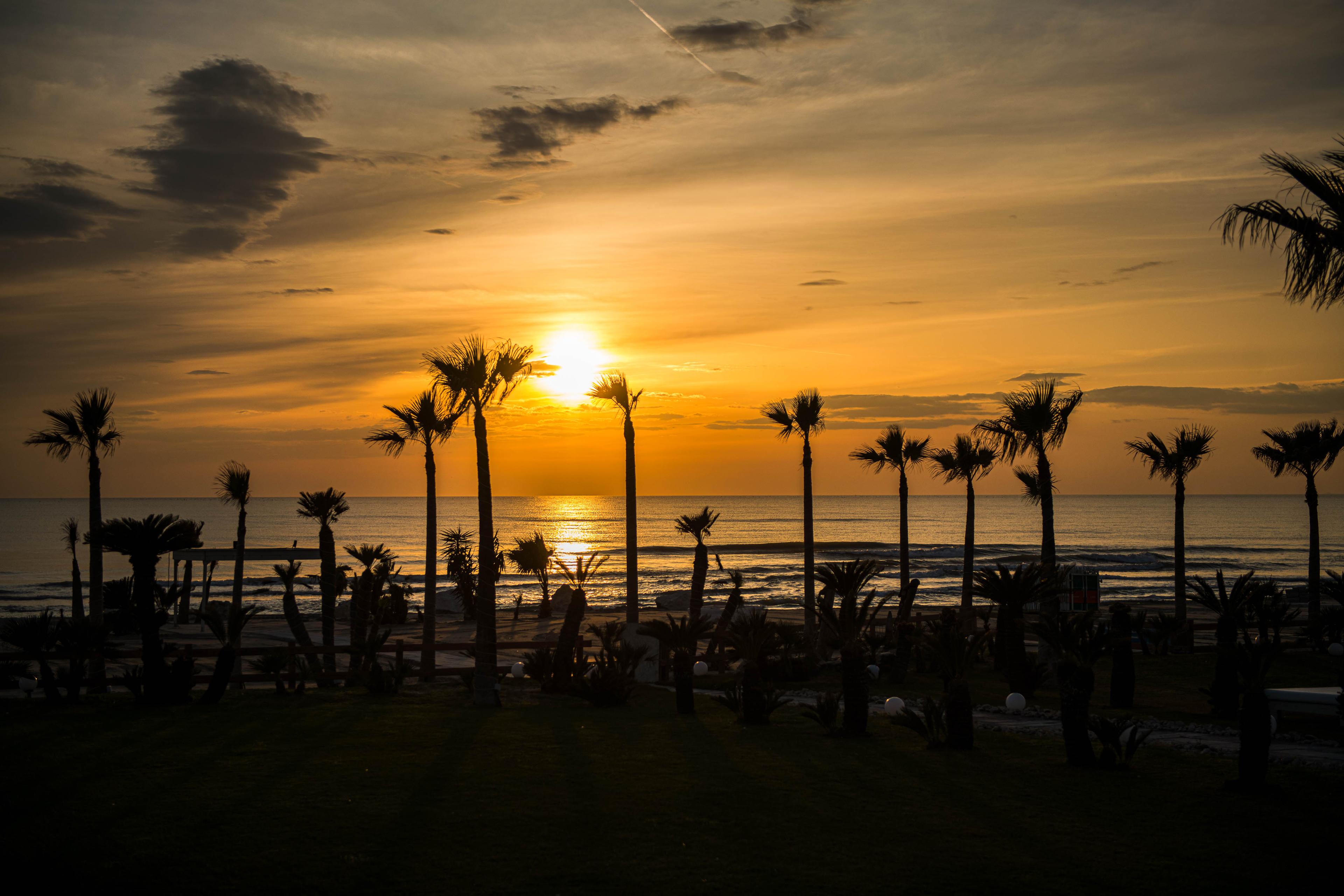
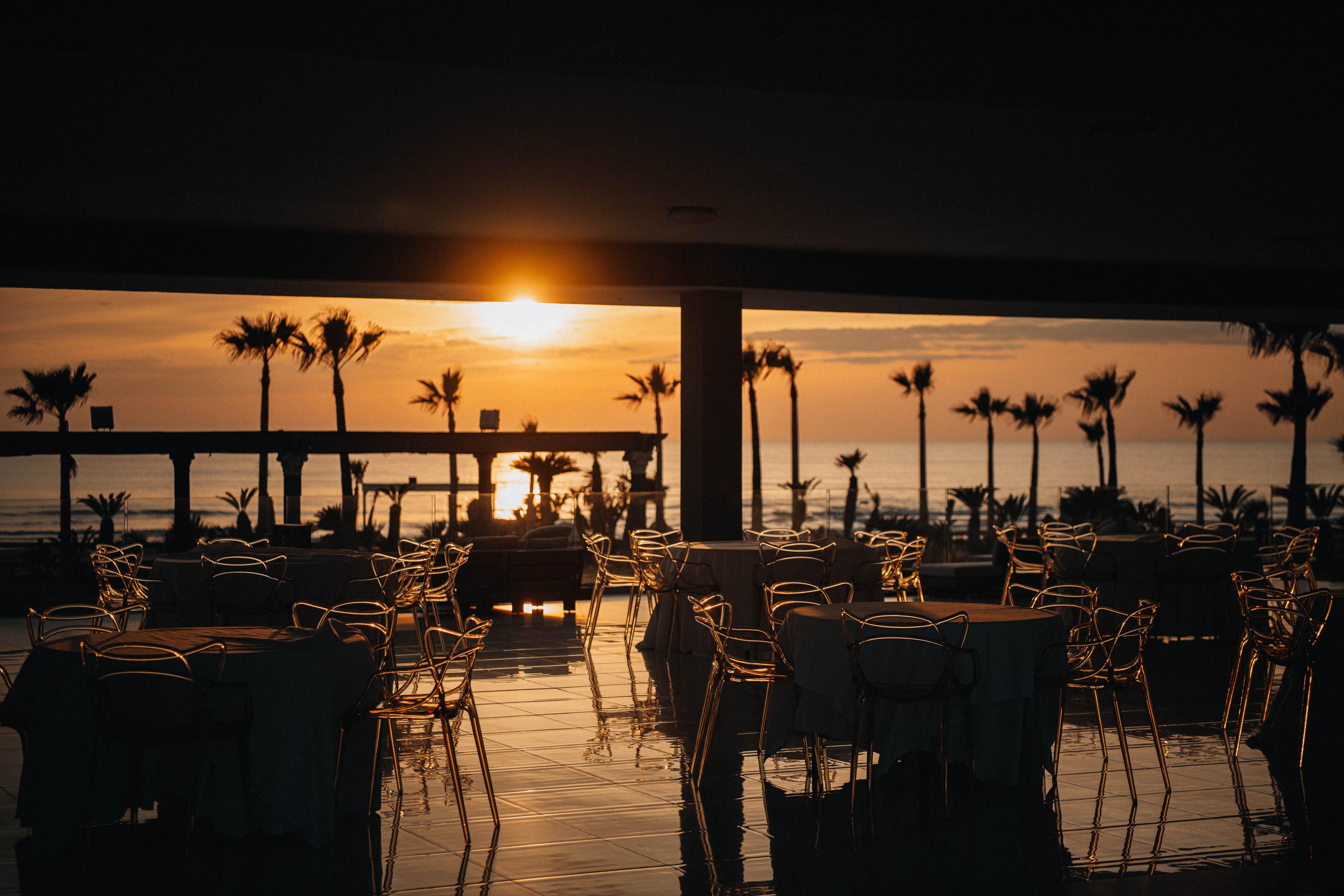
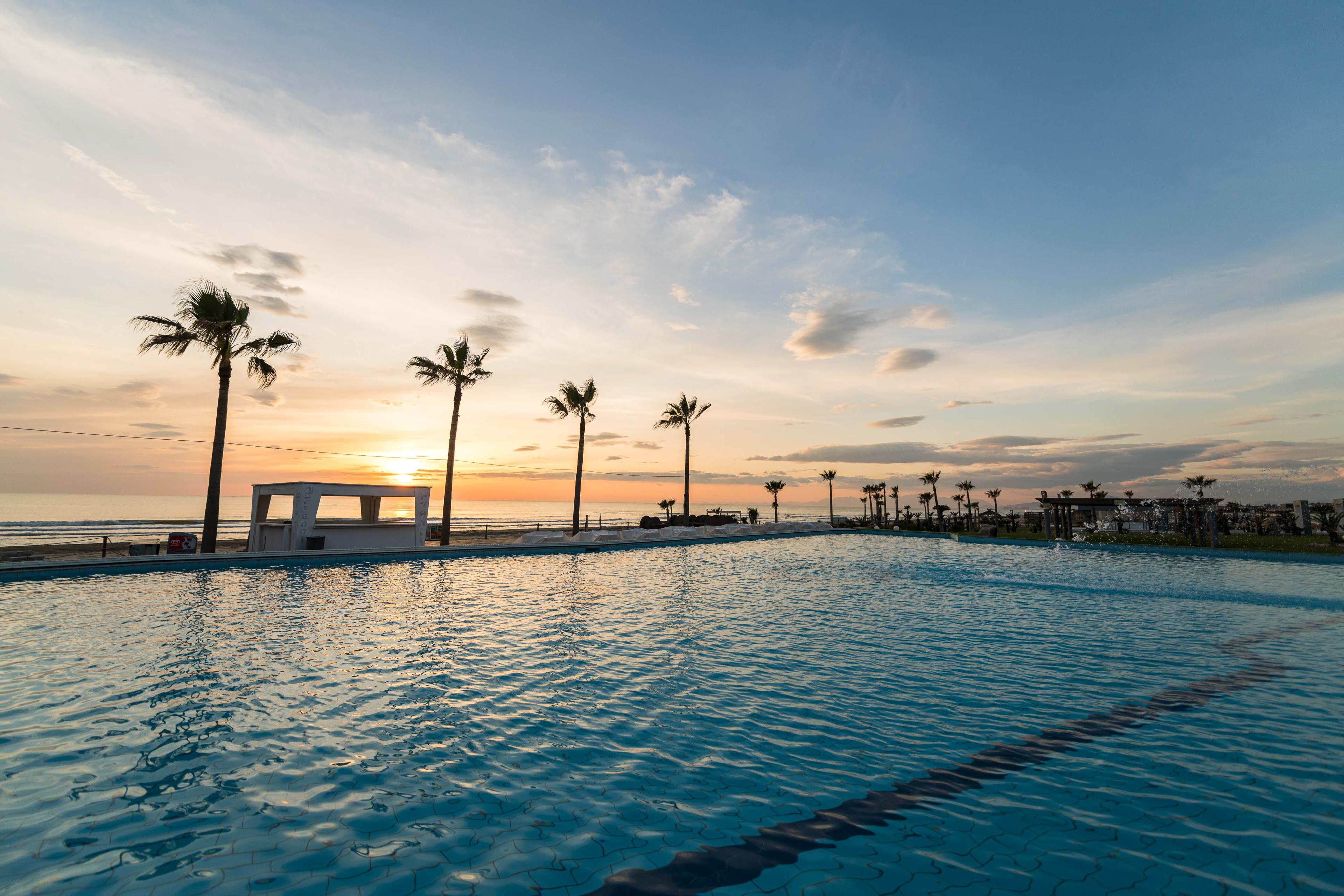
One of the advantages of staying in Varcaturo is its proximity: after your visit, you can be back in just a few minutes, without having to drive through Naples. The hotel’s palm-lined garden is the perfect place to relax, and in the evening, the seaside restaurant—which is also open to non-guests—offers dishes such as whole red sea bream in “acqua pazza” sauce or linguine with blue lobster. Discover other seafood dishes to try at our restaurant.
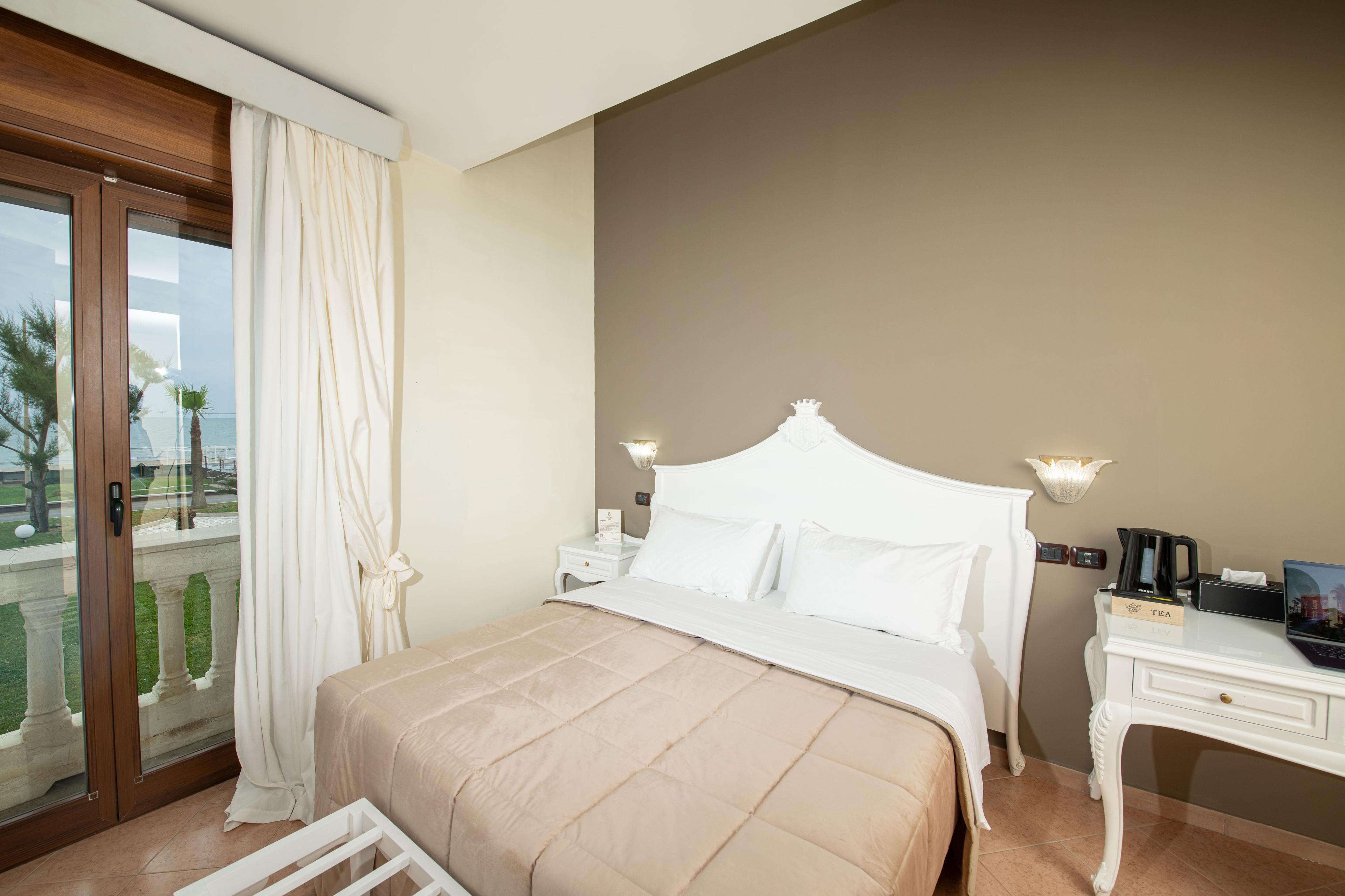
The Grand Hotel Le Château is a 5-star hotel with 44 rooms on the Phlegraean coast, featuring rooms with sea or garden views and Junior Suites: a convenient base for exploring Cuma, Baia, Pozzuoli, and the rest of the Phlegraean Fields.
Book your stay near Cuma
By booking directly on our website, you’re always best rate guaranteed, with breakfast included. Check availability and book, or email us at info@grandhotellechateau.it: we’ll be happy to help you plan your visit to the Cuma Archaeological Park.